
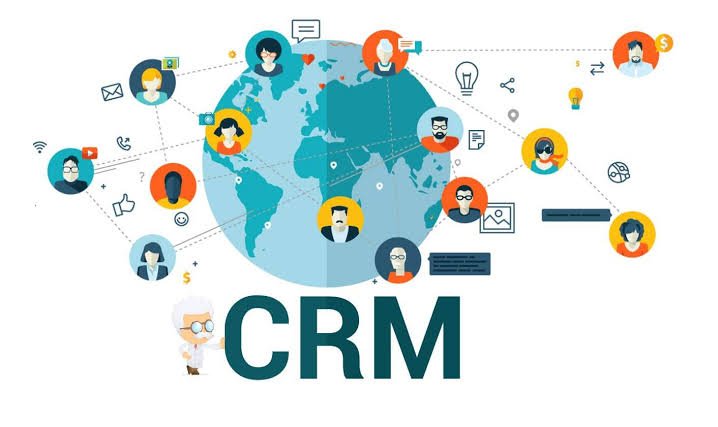
Managing sales and customer information effectively is essential for businesses of every size. As companies grow, they often collect large amounts of data from leads, prospects, existing customers, sales conversations, emails, purchases, and support interactions. Without an organized system, important information can become scattered across spreadsheets, inboxes, notes, and different applications. This can make it difficult for teams to understand customers and follow up at the right time. CRM software provides a centralized solution that helps businesses organize sales activities and customer data while improving productivity and customer relationships.
What Is CRM Software?
CRM software, or customer relationship management software, is a technology solution designed to help businesses manage interactions with current and potential customers. Instead of keeping customer information in separate locations, a CRM platform stores important details in one centralized system.
Businesses can use CRM software to maintain contact records, track sales opportunities, schedule follow-ups, record communication history, manage tasks, and monitor customer activity. Depending on the platform, businesses may also use it for marketing automation, customer service, reporting, and workflow management.
The main goal is to give employees a clear view of customer relationships. When sales representatives can quickly access accurate information, they can spend less time searching for data and more time building valuable customer connections.
Centralizing Customer Information
One of the biggest advantages of CRM software is centralized data management. Businesses frequently communicate with customers through phone calls, emails, websites, social media, and in-person meetings. If these interactions are not recorded properly, employees may lose track of important details.
A CRM system brings customer information together in one accessible location. A customer profile may include contact information, previous conversations, purchase history, sales notes, preferences, and current opportunities.
This centralized approach helps employees understand the customer journey. If a salesperson takes over an account from another employee, they can review the available history instead of starting from scratch. This improves continuity and helps create more consistent customer experiences.
Improving Sales Pipeline Management
Sales teams need a clear understanding of where prospects are in the buying process. CRM software can organize leads and opportunities according to different stages of the sales pipeline.
For example, a company might create stages such as new lead, qualified prospect, proposal sent, negotiation, and closed sale. Sales representatives can update opportunities as prospects move through these stages.
This visibility makes it easier for managers to identify promising opportunities and potential problems. If several deals remain stuck at the same stage, managers can investigate what is preventing progress. Sales teams can also prioritize opportunities based on factors such as deal value, customer interest, or expected closing date.
Automating Routine Sales Tasks
Sales representatives often spend significant time performing repetitive administrative activities. Entering information, scheduling reminders, sending follow-up messages, and updating records can take valuable time away from selling.
CRM software can automate many of these tasks. Automated reminders can notify salespeople when a follow-up is due. Workflows can assign leads to appropriate team members, update records, or trigger notifications when certain actions occur.
Automation does not replace the personal side of sales. Instead, it reduces unnecessary administrative work so employees can focus on conversations, problem-solving, and relationship building.
Tracking Leads More Effectively
Lead management is another important function of CRM software. Businesses may receive leads through websites, advertisements, referrals, events, social media, or direct inquiries. Without a structured system, some leads may be overlooked.
A CRM platform can capture and organize leads while recording information about their source and interactions with the business. Sales teams can use this information to determine which prospects require immediate attention.
Lead tracking also helps businesses understand which marketing channels generate valuable opportunities. Over time, companies can compare lead sources and focus resources on channels that produce stronger results.
Supporting Better Customer Relationships
Good customer relationships depend on understanding customer needs and maintaining consistent communication. CRM software helps businesses preserve important information about previous interactions.
For instance, a representative can review past conversations before contacting a customer. This can prevent customers from having to repeatedly explain their situation and allows employees to provide more relevant assistance.
Customer information can also help businesses identify opportunities for personalized communication. Companies may use purchase history, preferences, or previous inquiries to recommend relevant products or services.
Providing Useful Sales Reports and Analytics
Business leaders need reliable information to make informed decisions. CRM software can turn sales and customer data into reports that reveal important trends.
Reports may show the number of leads generated, conversion rates, sales revenue, pipeline value, average deal size, and individual or team performance. These insights can help managers understand what is working and where improvements may be needed.
For example, if a company notices that many leads are entering the pipeline but few are becoming customers, management can examine its qualification or sales process. Similarly, identifying high-performing products or sales channels can help businesses make better resource decisions.
Improving Collaboration Between Teams
Customer information is rarely useful to only one department. Sales, marketing, customer service, and management may all need access to different aspects of customer data.
CRM software creates a shared information environment where authorized employees can work from consistent records. Marketing teams can understand sales outcomes, sales teams can see relevant marketing information, and customer service representatives can review customer history when assisting with inquiries.
Better collaboration reduces duplicated work and helps departments maintain a consistent understanding of customer relationships.
Choosing the Right CRM Software
Not every CRM platform is suitable for every organization. Businesses should evaluate their needs before selecting a solution. Important considerations may include company size, number of users, sales processes, required integrations, reporting needs, automation features, security, and budget.
Ease of use is especially important. A platform with many advanced features may not provide value if employees find it difficult to use. Businesses should look for software that offers useful functionality while remaining practical for everyday workflows.
Integration capabilities should also be considered. A CRM may need to connect with email platforms, accounting systems, e-commerce tools, calendars, marketing applications, or customer support systems.
Protecting Customer Data
Customer information can include valuable business data, making security an important consideration when implementing CRM software. Companies should understand how a platform handles access controls, authentication, backups, data protection, and user permissions.
Employees should receive appropriate training so they understand how to enter, access, and manage customer information responsibly. Establishing clear internal procedures can also reduce errors and help maintain accurate records.
Increasing Business Efficiency
The value of CRM software extends beyond storing contact information. By combining customer data, sales activities, automation, reporting, and collaboration tools, a CRM system can create a more organized business process.
Employees can find information faster, managers can monitor sales activity more effectively, and customers can receive more consistent service. As companies expand, these improvements can become increasingly important.
A well-organized CRM environment also creates a foundation for long-term growth. Instead of relying on individual employees to remember customer details, businesses can maintain institutional knowledge within a structured system.
Building a More Organized Sales Strategy
Successful sales organizations depend on accurate information, timely communication, and consistent processes. CRM software brings these elements together by giving businesses a structured way to manage leads, opportunities, customers, and interactions.
When implemented thoughtfully, a CRM solution can reduce administrative work, improve sales visibility, strengthen collaboration, and support better customer experiences. The right platform should align with the company’s goals and workflows rather than simply adding another technology tool.
Ultimately, organizing sales and customer data is about more than keeping records. It is about turning information into useful knowledge that helps employees make better decisions and serve customers more effectively. With the right CRM software solution, businesses can create a more efficient sales process, maintain stronger customer relationships, and establish a scalable foundation for continued growth.