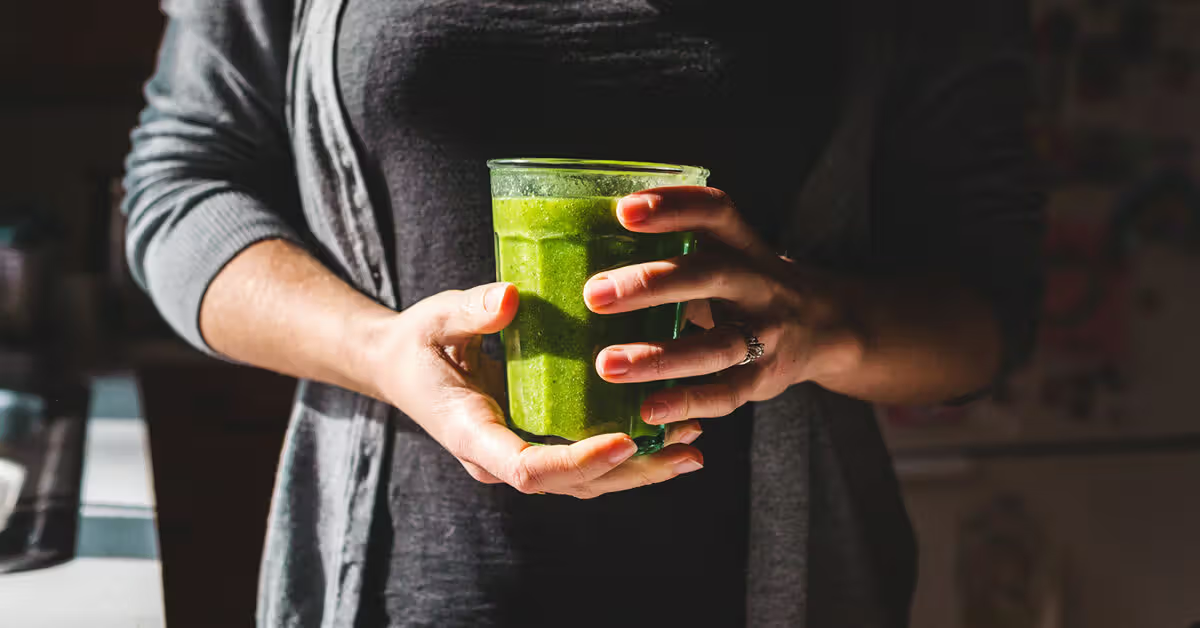
Starting a healthier lifestyle can feel challenging, especially when complicated meal plans and strict diets seem overwhelming. A simple approach that often attracts beginners is a short green smoothie plan. The idea behind a 3 day green smoothie cleanse weight loss routine is to focus meals or snacks around nutrient-rich smoothies made with leafy greens, fruits, vegetables, and other wholesome ingredients. While a three-day plan may sound restrictive, it can introduce people to healthier foods and encourage better eating habits when approached sensibly.
A green smoothie can be an easy way to combine several nutritious ingredients in one convenient drink. However, it is important to understand what a short cleanse can and cannot accomplish. The body already has natural systems, including the liver and kidneys, that process and eliminate waste. Therefore, a smoothie cleanse should not be viewed as a magical detox solution. Instead, it can be considered a short-term opportunity to increase fruit and vegetable intake and become more mindful about food choices.
What Is a 3 Day Green Smoothie Cleanse?
A three-day green smoothie cleanse generally involves drinking smoothies made primarily from leafy green vegetables, fruits, water, milk, or another suitable liquid. Some versions replace most regular meals with smoothies, while others use smoothies as breakfast and snacks alongside balanced meals.
For beginners, the second approach is usually easier to manage. Completely replacing every meal with liquid drinks can make it difficult to obtain enough protein, healthy fats, fiber, and other nutrients. A more balanced plan can include a green smoothie alongside nutritious meals containing lean protein, whole grains, vegetables, and healthy fats.
The main attraction of a 3 day green smoothie cleanse weight loss plan is its simplicity. Instead of preparing complicated recipes, beginners can combine a few familiar ingredients and create a filling drink within minutes.
Why Green Smoothies Can Support Healthy Eating
Green smoothies can provide valuable nutrients because they often contain leafy greens, fruits, and vegetables. Spinach, kale, cucumber, celery, and lettuce can provide vitamins, minerals, and fiber, while fruits such as berries, apples, bananas, and oranges can add natural sweetness and flavor.
Fiber is particularly useful because it contributes to feelings of fullness and supports normal digestive function. Whole fruits and vegetables also provide a variety of nutrients that are important for overall health.
However, adding large quantities of fruit, sweetened yogurt, syrups, or fruit juice can significantly increase the calorie and sugar content of a smoothie. A better beginner strategy is to combine vegetables with a moderate amount of fruit and choose unsweetened liquids.
How to Build a Balanced Green Smoothie
Creating a nutritious smoothie does not require an extensive ingredient list. A simple formula can make the process much easier.
Start with a leafy green such as spinach or kale. Add one serving of fruit for flavor and natural sweetness. Then choose a liquid, such as water, unsweetened milk, or an unsweetened plant-based alternative.
For greater satiety, consider adding a source of protein or healthy fat. Plain Greek yogurt, unsweetened soy milk, chia seeds, or a small amount of nut butter can make a smoothie more substantial.
A basic combination might include spinach, cucumber, berries, plain yogurt, and water. Another option could combine kale, half a banana, avocado, unsweetened milk, and ice. The goal is not to create an extreme drink but to build something nutritious and enjoyable.
A Simple Three-Day Approach for Beginners
A beginner-friendly three-day routine can focus on balanced nutrition rather than extreme restriction.
On the first day, begin with a green smoothie for breakfast. For lunch, choose a balanced meal containing vegetables and a protein source. A second smoothie can be used as an afternoon snack if desired. Dinner can include lean protein, vegetables, and a moderate portion of whole grains or another carbohydrate source.
On the second day, repeat the basic structure while changing smoothie ingredients to maintain variety. For example, berries can replace bananas, or spinach can replace kale. Drink water throughout the day and avoid relying on sugary beverages.
On the third day, continue with a nutritious smoothie at breakfast and emphasize whole foods for the remaining meals. This approach can help prevent the excessive hunger that may occur when someone consumes only liquids.
The purpose of the three days should be to practice healthier choices rather than simply watching the scale.
Can a Three-Day Smoothie Plan Cause Weight Loss?
Some people may notice a lower number on the scale after three days, but this does not necessarily represent three days of body-fat loss. Short-term changes in body weight can result from changes in water retention, food intake, carbohydrate consumption, and digestive contents.
Sustainable weight management generally depends on long-term eating patterns, physical activity, sleep, and overall energy balance. A three-day smoothie routine may help someone start making healthier choices, but it should not be considered a complete weight-loss program.
For this reason, expectations are important. The goal should be improved food quality and healthier habits rather than dramatic results in a very short period.
Common Mistakes to Avoid
One common mistake is adding too much fruit. Although fruit can be part of a healthy diet, using several bananas, dates, fruit juices, and sweetened ingredients in one smoothie can make it much more calorie-dense than expected.
Another mistake is leaving out protein. A smoothie made only from fruit and vegetables may not keep you satisfied for very long. Including yogurt, soy milk, seeds, or another appropriate protein source can create a more balanced option.
Some beginners also forget about portion sizes. A smoothie can become a very large meal when multiple calorie-dense ingredients are combined. Paying attention to portions can make the plan more practical.
Finally, avoiding water is a mistake. Staying adequately hydrated is important, and water should remain a regular part of the day.
Making the Plan More Sustainable
The most useful aspect of a short smoothie routine may be the habits it introduces. Instead of returning to highly processed foods after three days, use the experience as a starting point for a more balanced eating pattern.
Continue making green smoothies a convenient breakfast or snack while eating a variety of whole foods throughout the day. Include vegetables, fruits, whole grains, protein sources, and healthy fats. Regular physical activity can also complement healthy eating habits.
Rather than repeating restrictive cleanses frequently, focus on sustainable habits that can realistically continue for weeks and months.
Is a Green Smoothie Cleanse Suitable for Everyone?
A restrictive diet may not be appropriate for everyone. Children, teenagers, pregnant or breastfeeding individuals, people with certain medical conditions, and anyone taking medications that are affected by diet should speak with a qualified healthcare professional before making major dietary changes.
People with a history of disordered eating should also be particularly cautious about restrictive cleanse-style diets. A registered dietitian or healthcare professional can provide individualized guidance based on nutritional needs.
Final Thoughts
A 3 day green smoothie cleanse weight loss plan can be an approachable introduction to consuming more vegetables, fruits, and minimally processed ingredients. Green smoothies can be nutritious, convenient, and easy to customize, but they should not be treated as a miracle detox or guaranteed rapid weight-loss solution.
For beginners, the healthiest approach is to use smoothies as one part of a balanced diet rather than relying exclusively on liquids. Combining nutritious smoothies with protein-rich foods, vegetables, whole grains, healthy fats, adequate hydration, regular movement, and sustainable habits provides a more realistic foundation for long-term health and weight management.