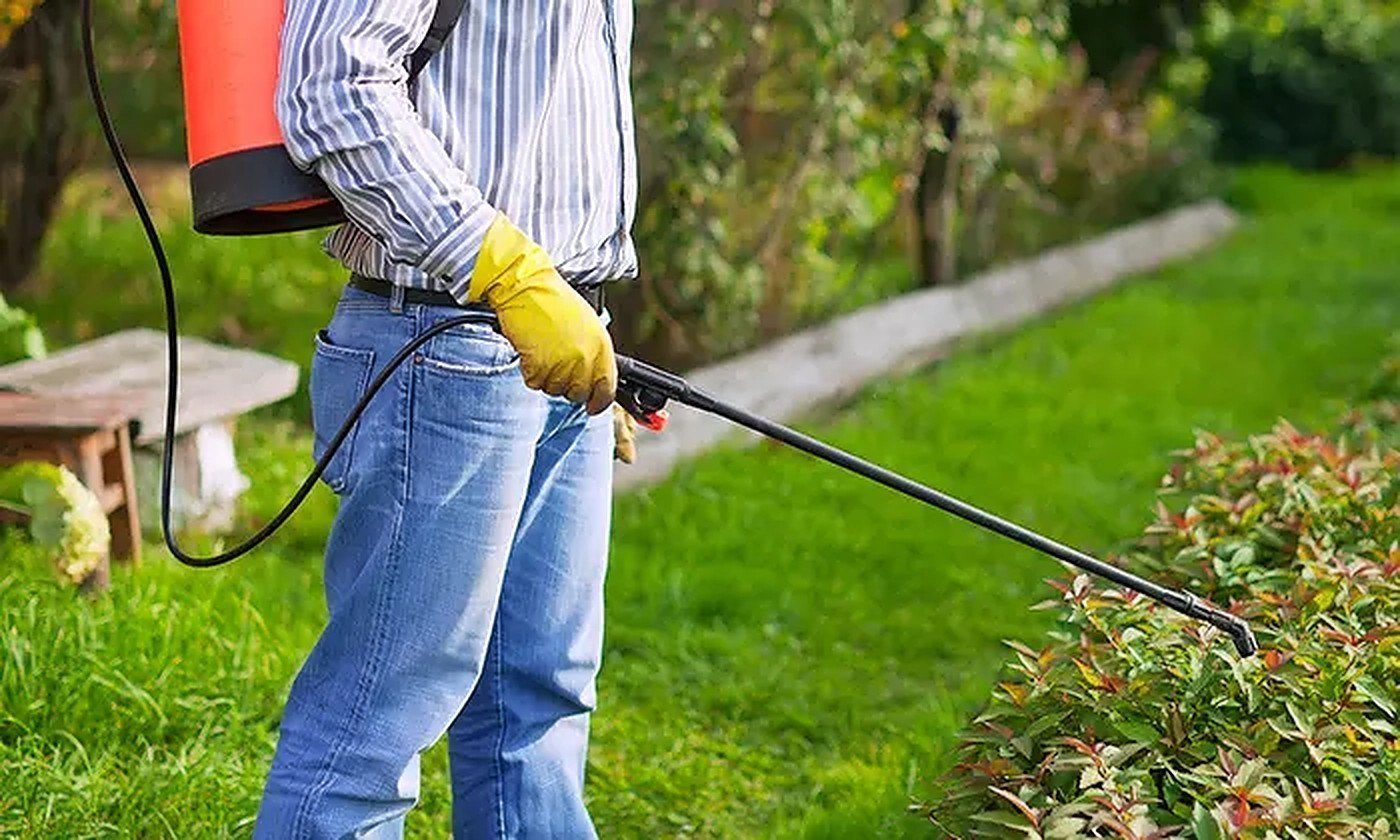
Maintaining a clean and comfortable home involves more than regular dusting and organizing. Unwanted insects such as ants, mosquitoes, flies, moths, and some crawling pests can become a nuisance when household conditions provide food, moisture, or shelter. Alongside cleaning and preventative measures, some homeowners explore natural approaches involving aromatic herbs. Pest control with Herbs can be incorporated into a broader home-care routine by using certain plants and their scents as part of an overall strategy.
Herbs should not be considered a guaranteed replacement for professional pest management, especially when an infestation is extensive. However, selected herbs can complement good sanitation, sealing, moisture control, and regular inspection. Understanding how to use them properly can make natural pest-prevention practices more organized and practical.
Understanding How Herbs Can Support Pest Prevention
Many aromatic herbs contain naturally occurring compounds that produce strong scents. Some insects may avoid areas where these aromas are concentrated, making certain herbs useful as a supplementary deterrent. Commonly considered options include mint, rosemary, basil, lavender, sage, thyme, and lemongrass.
The effectiveness of an herb can vary depending on the pest, concentration, environment, and method of application. A potted herb near a window, for example, may provide a pleasant fragrance but may not have the same effect as a concentrated botanical preparation. For this reason, herbs are best incorporated as one component of a larger prevention plan.
Choosing Herbs for Different Areas of the Home
Different areas of a house have different pest-related challenges. Kitchens can attract ants and flies because of food residue, while closets may experience problems involving moths. Outdoor seating areas can attract mosquitoes and other flying insects.
Mint for Common Household Areas
Mint has a strong aroma and is easy to grow in containers. Pots of mint can be placed near entrances, patios, windows, or other suitable areas. Because mint can spread quickly when planted directly in garden soil, containers can make it easier to manage.
Fresh mint leaves can also be placed in small breathable sachets around selected areas. The scent may provide a supplementary deterrent, while the plant itself adds greenery to the home.
Lavender for Closets and Living Spaces
Lavender is valued for its pleasant fragrance and is commonly used in sachets. Dried lavender can be placed inside breathable fabric bags and positioned in closets, drawers, or storage areas.
Regularly replacing old dried material helps maintain its fragrance. However, lavender sachets should be viewed as a preventive measure rather than a guaranteed solution for an established pest problem.
Rosemary and Basil for Kitchens
Rosemary and basil are practical herbs for kitchen windowsills because they can be grown in containers and used for cooking. Their aromatic qualities also make them interesting additions to a natural home-care routine.
Keeping these herbs healthy requires adequate sunlight, appropriate watering, and good air circulation. Healthy plants generally provide a more useful and attractive addition to the household than neglected ones.
Creating an Herb-Based Home-Care Routine
A successful natural pest-prevention routine starts with consistency. Rather than relying on herbs after pests appear, homeowners can integrate them into regular cleaning and maintenance.
Keep Food Areas Clean
Food crumbs, spills, open containers, and overflowing garbage can attract insects. Counters should be wiped regularly, dishes should not remain dirty for long periods, and food should be stored in sealed containers.
Herbs cannot compensate for conditions that continuously provide pests with food. Cleanliness should therefore remain the foundation of any Pest control with Herbs approach.
Reduce Moisture
Many household pests are attracted to damp environments. Check under sinks, around plumbing fixtures, near appliances, and in poorly ventilated areas for unnecessary moisture.
Fixing leaks and improving ventilation can reduce conditions that encourage pest activity. Herbs can then be used as an additional element rather than the primary defense.
Seal Entry Points
Small gaps around doors, windows, pipes, and walls can provide insects with convenient access to indoor areas. Weather stripping, caulk, screens, and appropriate repairs can help reduce these entry routes.
Placing aromatic herbs near an entrance may complement these measures, but physical exclusion is generally more dependable for preventing insects from entering.
Using Fresh and Dried Herbs
Herbs can be incorporated into home care in several simple ways. Fresh plants can be grown in pots, while dried herbs can be placed inside breathable sachets. Another approach involves using herb-infused household preparations where appropriate.
Herb Sachets
Sachets are one of the simplest methods. Dried lavender, rosemary, mint, or other aromatic herbs can be placed into small fabric bags. These can be positioned in closets, storage spaces, or other areas where fragrance is desirable.
Sachets should be kept dry and replaced when their aroma becomes weak.
Potted Herbs
Growing herbs indoors provides an ongoing source of fresh foliage while adding decorative value. Windowsills, balconies, kitchens, and patios can be suitable locations depending on the plant’s sunlight requirements.
However, avoid overwatering. Excess moisture can create a separate household problem by encouraging mold or attracting moisture-loving insects.
Safety Considerations When Using Herbs
Natural does not automatically mean risk-free. Concentrated essential oils and homemade botanical mixtures can irritate skin, eyes, or airways when used incorrectly. Some herbs and essential oils can also be harmful to pets or young children.
Before using concentrated products, read the product label and follow its directions. Avoid applying homemade preparations to food-contact surfaces unless they are specifically considered suitable for that purpose. Do not ingest pest-control mixtures, and keep all preparations away from children and animals.
Know When Professional Help Is Needed
Herbs are most appropriate as a supporting measure for routine prevention. If a home has a significant infestation, repeated pest sightings, structural damage, nests, or signs of disease-carrying insects, professional pest management may be necessary.
Professional technicians can identify the pest, determine where it is entering or breeding, and recommend appropriate treatment. Natural methods can still be incorporated into long-term household maintenance after the underlying issue has been addressed.
Combining Herbs With Good Home Maintenance
The strongest approach is to combine several preventative habits. Regular cleaning removes food sources, sealing gaps reduces entry points, moisture control makes the environment less attractive, and routine inspections help identify problems early.
Herbs can fit naturally into this system by adding aromatic plants or dried materials to selected parts of the home. This approach also allows homeowners to enjoy herbs for culinary, decorative, or fragrance purposes while treating pest prevention as a broader household responsibility.
Building a Sustainable Prevention Strategy
A home-care strategy should be simple enough to maintain throughout the year. Choose a few suitable herbs rather than filling every room with plants or homemade preparations. Monitor areas where pests have previously appeared and adjust the routine according to actual household conditions.
It is also useful to keep expectations realistic. Pest control with Herbs is best understood as a complementary practice rather than a universal solution. Results can differ significantly between pest species and environments.
Conclusion
Incorporating herbs into home care can be a practical way to complement everyday pest-prevention habits. Aromatic plants such as mint, lavender, rosemary, basil, sage, thyme, and lemongrass can be grown or used in suitable forms around selected areas of the home.
The key is to combine herbal methods with cleanliness, proper food storage, moisture control, sealed entry points, and regular inspections. When pest activity becomes persistent or severe, professional assistance remains an important option. With realistic expectations and consistent maintenance, herbs can become a useful part of a broader, organized approach to keeping the home comfortable and well cared for.